

Skin Types vs. Skin Concerns: Why The Difference Matters in Treatments
Understanding the difference between skin types and skin concerns is one of the most important foundations in professional skincare. While the terms are often used interchangeably, they refer to two very different aspects of the skin. For estheticians and skincare professionals, recognizing this distinction allows for more accurate treatment planning, better product selection, and more consistent results.
This guide breaks down what skin types and skin concerns are, how they differ, and how to treat both effectively in the treatment room.
What Is a Skin Type?
A skin type is the baseline condition of the skin, typically determined by how much oil it produces.
Skin types tend to remain relatively consistent over time and fall into a few main categories:
- Dry
- Oily
- Combination
- Normal
Skin type influences how the skin behaves on a daily basis and determines the foundation of a treatment.
What Is a Skin Concern?
A skin concern is a specific issue or condition that can affect the skin at any time.
Unlike skin type, concerns can:
- change frequently
- be influenced by environment, lifestyle, or product use
- appear temporarily or long-term
Common skin concerns include:
- dehydration
- sensitivity
- dullness
- uneven-looking skin tone
- fine lines and texture
Skin concerns determine what you are actively treating.
The Key Difference
The simplest way to understand it:
- Skin type = what the skin is
- Skin concern = what the skin is experiencing
Or in treatment terms: Skin type determines your foundation while skin concern determines your treatment approach.
Understanding both is what allows professionals to build effective, customized protocols.
Why This Distinction Matters in the Treatment Room
Treating a concern without considering skin type can lead to poor results.
For example:
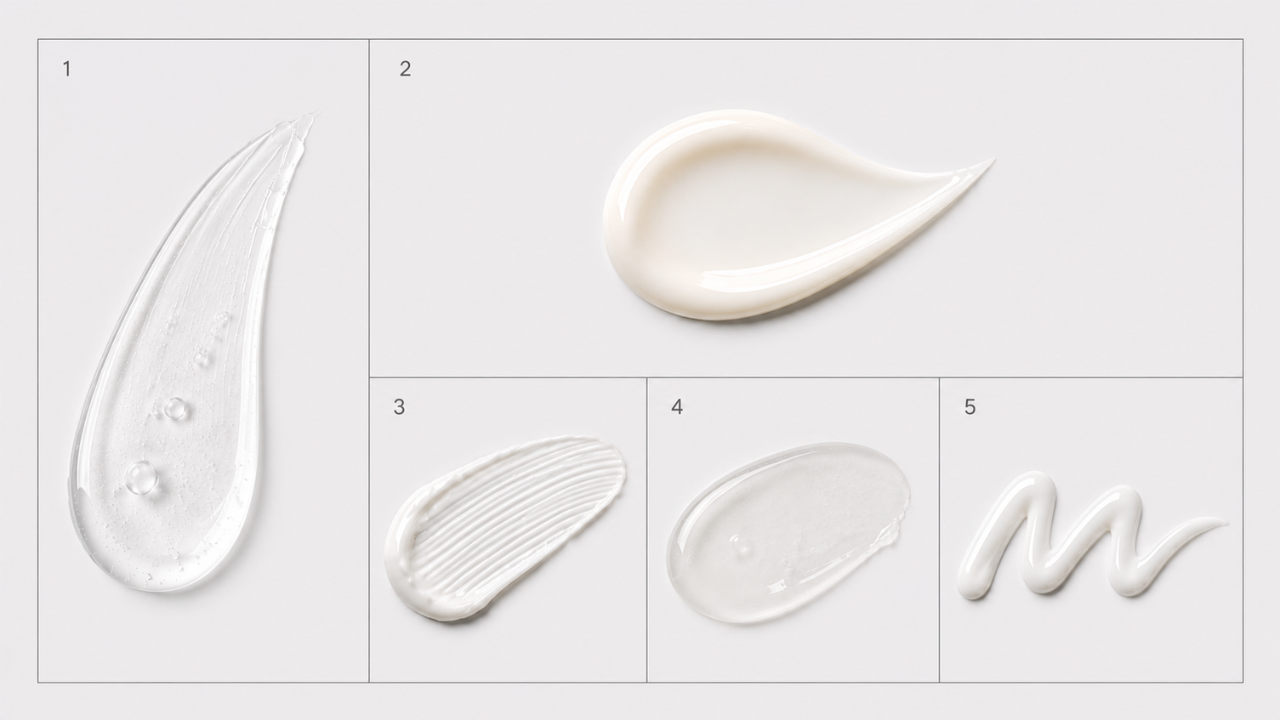
- Using heavy, oil-rich products on oily but dehydrated skin may feel too heavy
- Using only lightweight hydration on dry skin may not provide enough nourishment
- Treating sensitivity with overly active products can increase irritation
When both skin type and concern are considered, treatments become:
- more precise
- more effective
- easier to customize
How to Treat Skin Type vs Skin Concern
A well-structured facial addresses both simultaneously.
Step 1: Support the Skin Type
Start by selecting products that align with the client’s skin type.
For example:
- Dry skin → richer, more nourishing products
- Oily skin → lightweight, balancing textures
This creates a stable foundation for the rest of the treatment.
Step 2: Target the Skin Concern
Once the foundation is set, introduce products that address the specific concern.
For example:
- Dehydration → layered hydration steps
- Sensitivity → calming and barrier-supporting products
- Dullness → gentle exfoliation and brightening treatments
This is where the treatment becomes results-driven.
Step 3: Layer and Adjust
The most effective treatments combine both approaches.
For example:
- Dry + dehydrated skin → hydration + nourishment
- Oily + dehydrated skin → lightweight hydration without heaviness
- Sensitive + dehydrated skin → calming + hydration
Layering products allows you to treat the concern without disrupting the skin type.
Common Examples
Dry Skin vs Dehydrated Skin
- Dry = lacks oil
- Dehydrated = lacks water
These are often confused but require different approaches.
Learn more about dry vs. dehydrated skin and recommended treatment approaches.
Oily Skin with Dehydration
Oily skin can still be dehydrated, leading to:
- excess oil production
- dullness
- imbalance
This is where hydration layering becomes essential.
Sensitive Skin with Barrier Disruption
Sensitive skin often requires:
- gentle cleansing
- calming steps
- barrier-supporting products
Building Better Treatment Protocols
When you separate skin type from skin concern, it becomes easier to build structured protocols.
For example:
- Hydrating Protocol → targets dehydration
- Sensitive Skin Protocol → targets reactivity
- Brightening Protocol → targets dullness and uneven tone
- Mature Skin Protocol → targets texture and visible aging
Each protocol addresses a concern, while product selection within that protocol supports the skin type.
Why This Approach Works
Separating skin type and skin concern allows you to:
- create more customized treatments
- improve product performance
- deliver more consistent results
- adapt treatments based on the client’s skin condition
It also makes it easier to build and refine your service menu over time.
Skin type and skin concern are not interchangeable, but they are equally important. By understanding the difference and treating both strategically, you can create more effective, balanced treatments that deliver visible results while maintaining skin health.
Explore Pravada Beauty Labs products to build structured, customizable protocols that support both skin type and skin concern in professional treatments.
Related Content: Hydrating Protocol, Hyaluronic Acid Serums, Mists & Essences, Hydrating Facial Masks, Esthetician Essentials, Glycerin Skin Care, Night Creams & Anti-Aging Creams, Plumping Skin Care