
How to Layer Skincare Products
When multiple skincare products are designed to be used within the same routine, the formulas themselves are only part of the equation. How those products are applied together matters too.
Skincare layering refers to the way compatible products are sequenced within a regimen. Texture, product format, intended use, and individual product directions can all influence where a formula belongs.
For beauty brands, layering is also worth considering when selecting products for a collection. If your cleanser, toner, serums, moisturizer, and targeted treatments are intended to be used together, the complete experience should feel just as intentional as each individual formula.
What Does Layering Mean in Skincare?
Layering is the process of applying multiple skincare products in a deliberate sequence.
It is related to a skincare regimen, but the two terms don't mean exactly the same thing.
A skincare regimen describes the overall collection of products someone uses regularly. Layering focuses specifically on how compatible products are applied in relation to one another.
For example, a regimen might include a cleanser, toner, serum, moisturizer, and spot treatment. Layering helps answer where each leave-on formula belongs within that routine.
Professional skincare protocols are another related concept. A protocol provides a defined procedure for a professional treatment or service and may include additional products, application methods, timing, and removal instructions.
For a complete explanation of the terminology, read our guide to Skincare Regimen vs. Protocol vs. Layering: What's the Difference?
Is There a Correct Order for Skincare?
You may have heard the general rule to apply skincare from thinnest to thickest, and it can be a useful starting point. But, it shouldn't override the directions for an individual formula.
Skincare products vary considerably in composition and intended use. A lightweight texture doesn't automatically mean a product belongs at the beginning of every routine, just as a thicker texture doesn't tell you everything about how a formula should be used.
Instead, consider several factors together:
-
Whether the product is rinse-off or leave-on
-
Its intended function
-
The manufacturer's directions
-
Texture and product format
-
The other formulas being used
-
How frequently the product is intended to be applied
The goal isn't to follow as many "layering rules" as possible. It's to create a logical sequence for the specific products being used.
Start With Cleansing
Cleansing generally establishes the starting point of a skincare routine.
A cleanser removes makeup, excess oil, and other surface impurities before leave-on products are applied.
The cleanser itself can also influence the direction of the regimen. A gentle hydrating cleanser creates a different foundation than an exfoliating cleanser, for example.
This becomes particularly important when additional exfoliating or highly targeted products are used later in the routine. Looking at the entire regimen helps avoid evaluating each product in isolation.
Explore our cleanser collection for high-performance first-step formulations.
Toner Typically Follows Cleansing
When a toner is part of the routine, it generally follows cleansing and precedes serums and moisturizers.
But "toner" describes a product category, not a single type of formula.
Some toners primarily provide hydration or a refreshing skin feel. Others incorporate exfoliating acids or targeted ingredients and therefore play a more active role within the regimen.
That distinction matters when layering.
If a toner already provides exfoliation, for example, the rest of the regimen should be selected with that in mind rather than automatically stacking additional exfoliating formulas on top of it.
Discover our lineup of hydrating, soothing, and exfoliating facial mists, toners, and essences.
Serums Add Targeted Layers
Serums are where skincare layering can become more complicated.
A single serum keeps the sequence relatively straightforward:
Cleanse → Tone → Serum → Moisturize
When multiple serums are involved, consider their textures, intended functions, directions, and how they behave when applied together.
A lightweight hydrating serum may fit comfortably underneath another treatment product. In other cases, there may be little reason to use several targeted serums simultaneously.
More isn't automatically better.
A well-designed regimen should give every product a clear purpose. If two or three serums perform very similar roles, using all of them in the same routine may add complexity without creating a meaningfully different skincare experience.
Our serum collection features targeted treatments for concerns across skin types.
Moisturizers Generally Come After Serums
Moisturizers typically follow lighter leave-on products such as toners and serums.
Their textures can range considerably, from lightweight water creams and gel creams to richer emulsions and creams. That makes moisturizer selection another important part of designing the overall sensorial experience of a regimen.
A lightweight moisturizer might complete a streamlined regimen for oily or combination skin, while a richer cream may make more sense for a routine centered on dry skin or barrier support.
When evaluating formulas for a product collection, consider how the moisturizer feels over the serum or treatment products that precede it.
Where Do Oils and Balms Fit?
Facial oils and balms tend to have richer, more occlusive textures and are generally used toward the end of a routine when appropriate for the individual product.
They may serve as the final product in a regimen or be incorporated selectively depending on skin needs and the directions for use.
This is also a good example of why product format matters.
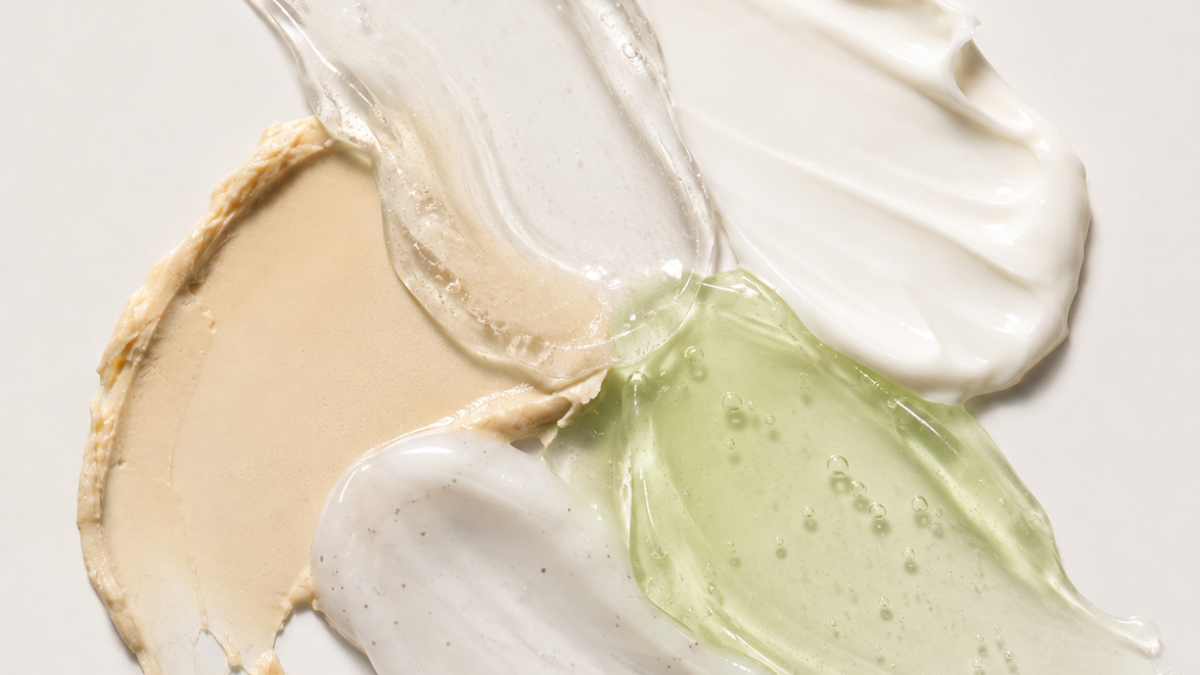
A watery serum, emulsion, facial oil, and balm can all contain beneficial skincare ingredients, but their physical formats create very different application experiences and influence where they make sense within a layered routine.
What About Spot Treatments and Other Targeted Products?
Not every product fits neatly into a universal sequence.
Spot treatments, exfoliating treatments, masks, eye products, and other targeted formulas often have their own application instructions and frequency recommendations.
A spot treatment, for example, may be applied only to specific areas rather than layered across the entire face. A mask might be used periodically rather than every day. An exfoliating treatment may replace another exfoliating product within a particular routine instead of being added on top of it.
Consider Active Ingredients Across the Entire Regimen
Layering isn't only about texture. It is also important to look at what the formulas contain. If a cleanser, toner, serum, and treatment all contain exfoliating ingredients, for example, evaluating each one individually doesn't tell you how intensive the complete regimen may be.
The same principle applies when building around other ingredient categories. Sometimes repetition is intentional. A hydration-focused regimen, for example, might incorporate complementary humectants and barrier-supporting ingredients across several formulas.
The question is whether the combination makes sense for the intended routine.
For brands selecting bulk skincare, reviewing the complete ingredient lists of products intended to be used together can help create a more thoughtful assortment.
Texture Matters When Products Are Used Together
One of the best ways to evaluate a potential skincare collection is also one of the simplest: use the products together.
A serum may have an appealing texture on its own, but how does it feel underneath the moisturizer you're considering?
Does one formula absorb quickly while another leaves a richer finish? Do the products spread easily when used sequentially? Does the complete routine create the sensorial experience you want associated with the collection?
This is especially relevant for brands purchasing finished bulk formulas to fill into their own packaging. The customer won't experience your products as isolated INCI lists or individual product pages. They will cleanse, apply, layer, and combine them.
The collection should be evaluated accordingly.
Layering Considerations for Beauty Brands
When selecting bulk formulas for a skincare line, it's easy to focus on each prospective product individually.
Instead, try mapping out the intended order of use before finalizing the assortment.
For example:
Cleanser → Toner → Serum → Moisturizer → Targeted Product
Then evaluate each transition.
Does the toner make sense after the cleanser? Does the serum complement the toner? Does the moisturizer layer comfortably over the serum? Does the targeted product have a clear purpose and understandable application method?
This exercise can also reveal gaps. If you have three highly targeted serums but no everyday moisturizer, your collection may have strong individual products without providing customers with an intuitive regimen. Layering can therefore become a useful product-selection tool, not just a consumer application technique.
Layering Considerations for Skincare Professionals
For estheticians and other skincare professionals, layering can also influence how products are selected for professional use.
Professional protocols may involve more products and application techniques than a typical at-home regimen, but the same fundamental considerations remain relevant: intended use, product directions, texture, ingredients, and compatibility with the surrounding products.
A professional may also choose different layers based on the client's skin type, visible concerns, or the objective of the treatment rather than performing an identical sequence for every service.
For more on structuring professional treatments, explore our guide to How to Build Professional Skincare Protocols.
There Is No Prize for the Longest Routine
Skincare layering can sometimes create the impression that a sophisticated routine needs numerous products, but a simple routine with a cleanser, targeted serum, and moisturizer can be a complete regimen. Additional layers should have a clear purpose rather than being included simply to increase the number of products used.
For beauty brands, that can be an important product-development lesson as well.
A cohesive three- or four-product collection can give customers a clearer experience than a much larger assortment with significant overlap between formulas.
Start with the purpose of the regimen. Then determine which products actually need to be there.
Build a Collection That Works Together
Pravada Beauty Labs offers finished skincare formulas in bulk quantities for beauty brands filling their own products as well as spas, estheticians, salons, and other professional users.
When evaluating bulk formulas, consider more than how each product performs individually.
Think about what comes before it. Think about what comes after it. Consider texture, application order, ingredient profiles, and the complete experience of using the formulas together.
Related Content: Layering vs. Regimens vs. Protocols, Skin Care Regimen Guide, How to Build a Skin Care Protocol, Hydrating Protocol, Sensitive Skin Protocol, Brightening Protocol, Mature Skin Protocol, Add-On Services for Facial Treatments, Fragrancing Professional Skin Care