Hexylresorcinol: Uses, Benefits, & More
Hexylresorcinol is a multifunctional ingredient commonly used in professional skincare formulations for tone refinement and overall skin clarity. While often grouped into brightening conversations, its role in formulation extends beyond a single benefit. In professional contexts, hexylresorcinol is valued for its efficacy, stability, and compatibility with a wide range of skin types when used appropriately.
What Hexylresorcinol Is
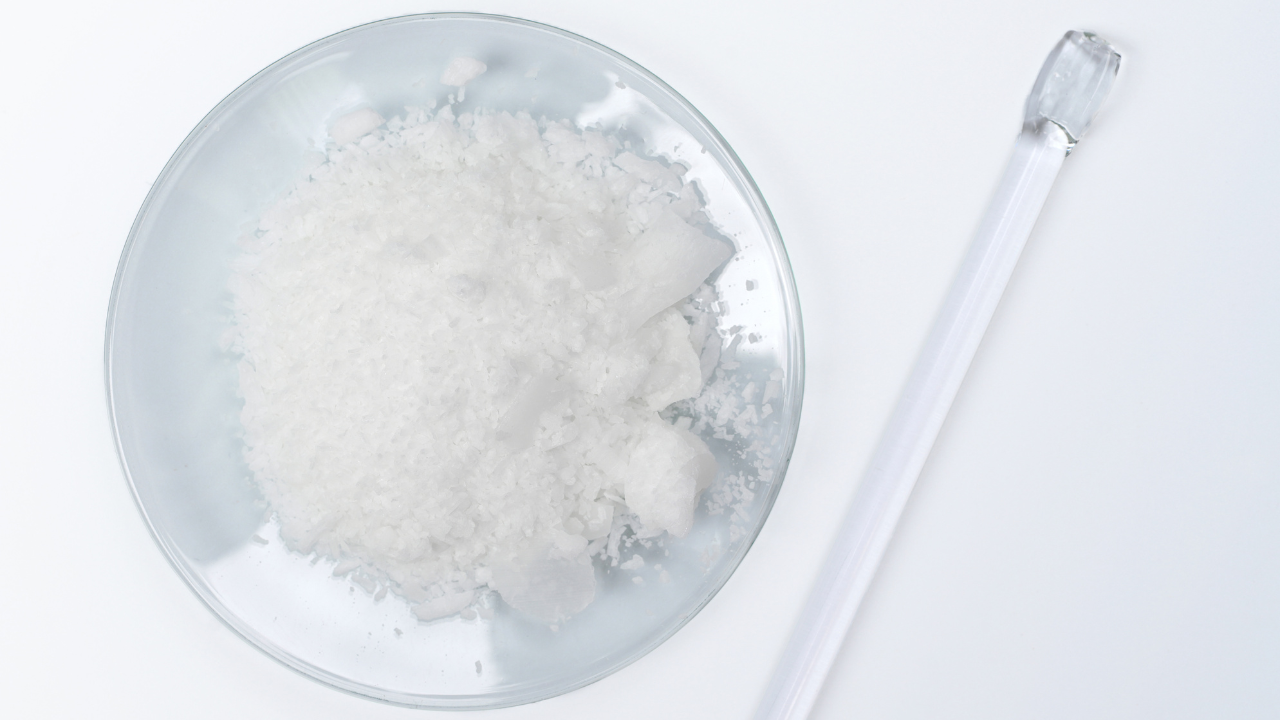
Hexylresorcinol is a synthetic derivative of resorcinol, developed to offer enhanced stability and skin compatibility compared to earlier resorcinol compounds. It is used at low concentrations in cosmetic formulations, making it suitable for professional products where performance must be balanced with tolerability. Unlike exfoliating acids or abrasive brightening agents, hexylresorcinol works without relying on surface disruption, which makes it particularly useful in leave-on formulations.
See our glossary entry for more information.
How Hexylresorcinol Is Used in Skincare
In skincare formulations, hexylresorcinol is most often included to support:
-
The appearance of more even skin tone
-
Overall skin clarity
-
Antioxidant support within the formula
Its activity is typically associated with helping regulate pathways involved in uneven pigmentation. Because it functions without exfoliation, it can be incorporated into daily-use products when formulated carefully.
Formulation Considerations
Hexylresorcinol is effective at low use levels, and it is often paired with ingredients that support barrier health and skin comfort, like niacinamide. This pairing helps maintain balance, especially in professional products designed for repeat use. Stability and compatibility are key reasons hexylresorcinol is favored in professional formulations over more aggressive brightening actives.
Our Niacinamide Complexion Prep Serum is an effective but gentle leave-on formulation that features hexylresorcinol.
Tolerance and Professional Use
In treatment-room settings, ingredient tolerance is critical. Hexylresorcinol is generally well-tolerated when used at appropriate concentrations, making it suitable for professional products intended for frequent or ongoing use. Because it does not rely on exfoliation, it can be incorporated into routines without significantly increasing the risk of sensitivity when properly formulated. As with all actives, professional guidance and thoughtful formulation determine how and when hexylresorcinol is best used.
Hexylresorcinol and Clean Formulation Perspectives
While hexylresorcinol is not plant-derived, it is often included in modern clean-leaning formulations due to its efficacy at low concentrations and predictable performance. In professional skincare, ingredient selection is driven by function, safety, and reliability rather than origin alone.
This makes hexylresorcinol a practical choice in formulations where results and skin compatibility are prioritized.
Why Hexylresorcinol Appears in Professional Skincare
Hexylresorcinol aligns well with the needs of professional skincare because it offers:
-
Measured tone refinement without exfoliation
-
Stability in well-designed formulations
-
Compatibility with barrier-supportive ingredients
-
Suitability for consistent, professional use
Rather than serving as a headline ingredient, it often functions as part of a broader formulation strategy focused on balance and performance.
A Functional Ingredient, Not a Trend
Hexylresorcinol is not a trend-driven ingredient. Its continued use in professional skincare reflects its ability to deliver targeted benefits while fitting into balanced, well-tolerated formulations.
In professional environments, ingredients that perform quietly and consistently tend to earn long-term relevance. Hexylresorcinol is one of them.
Related Content: Brightening Protocol, What Are PHAs?, Brightening Serums, Vitamin C in Skincare