
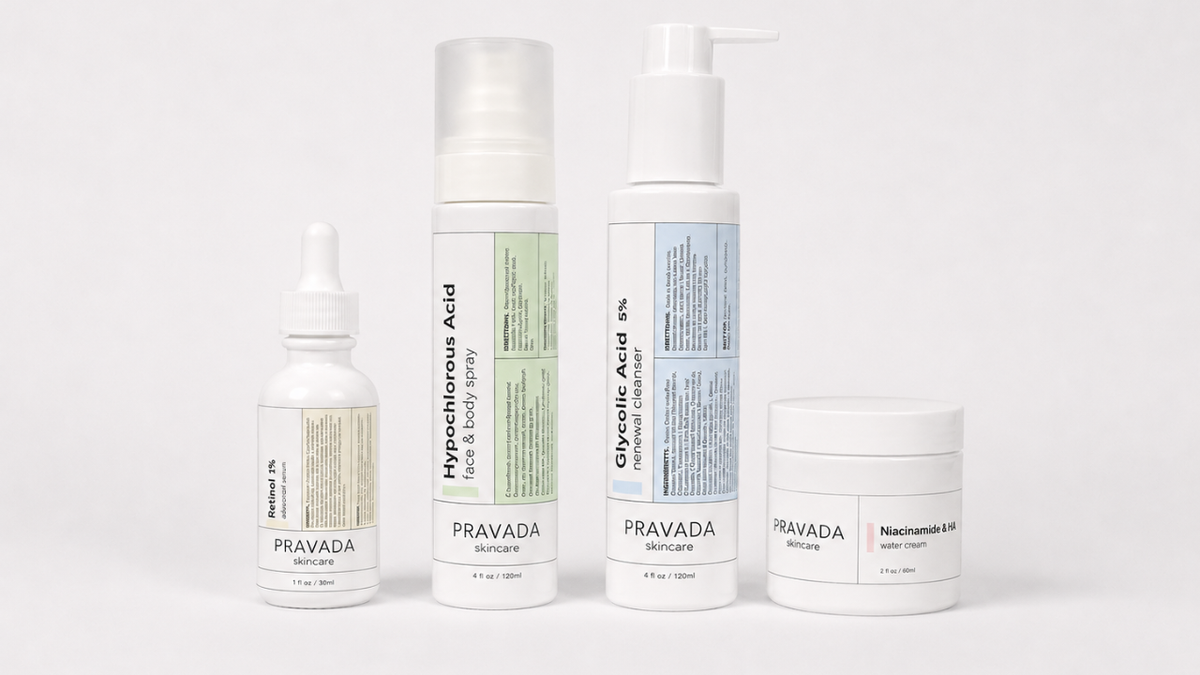
A Guide to Filling Retail Products From Bulk Skincare Formulas
Purchasing skincare, haircare, and body care formulas in bulk gives beauty brands greater flexibility in how they package and sell their products. However, transferring a finished cosmetic formula into retail packaging requires more than selecting a bottle or jar and filling it.
Proper hygiene, packaging compatibility, quality control, and documentation are essential to protecting product integrity throughout the filling process.
Whether you're filling products in-house or working with a third-party filling facility, understanding cosmetic Good Manufacturing Practices (GMP) can help you establish a more reliable process.
1. Start With a Quality Bulk Formula
The quality of your finished retail product begins with the formula you purchase. When sourcing bulk cosmetics, look for manufacturers that follow established quality control procedures, maintain batch documentation, and operate according to recognized manufacturing standards.
ISO 22716 is an internationally recognized standard for cosmetic Good Manufacturing Practices, providing guidelines for production, quality control, storage, and shipment.
Pravada skincare, haircare, and body care formulas are manufactured in the USA at our FDA-registered, ISO 22716 cGMP-certified facility.
However, purchasing a formula manufactured under GMP conditions is only the beginning. The subsequent filling and packaging process must also be carefully controlled to maintain product quality.
2. Choose Compatible Retail Packaging
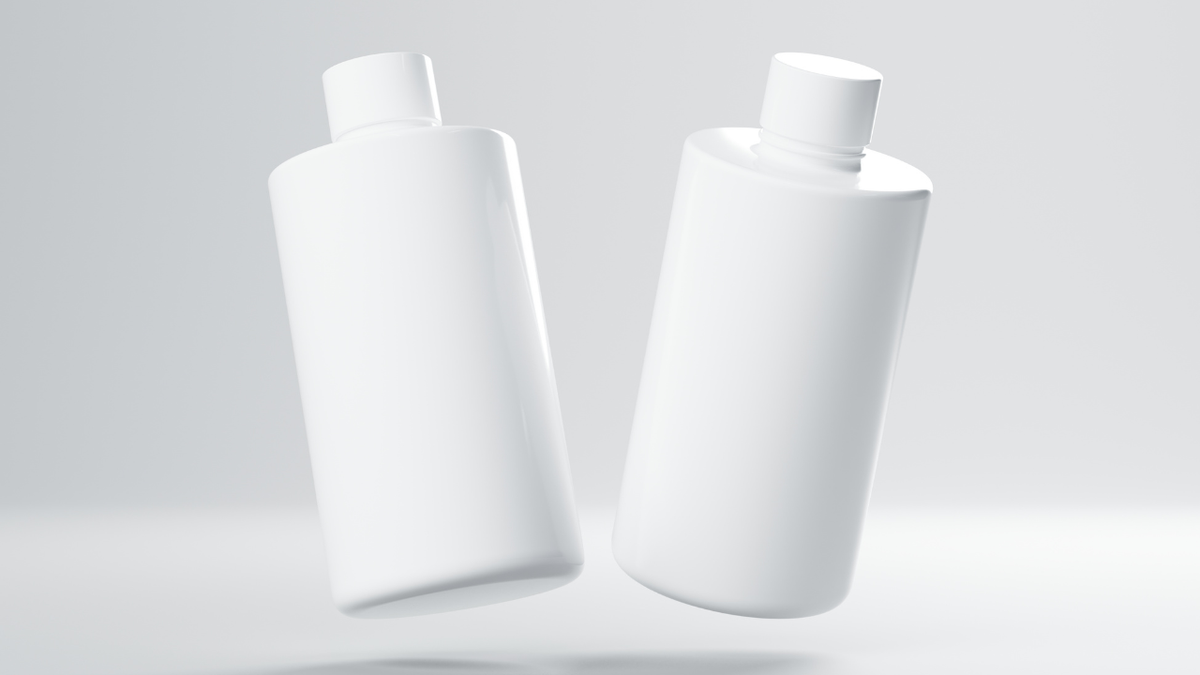
Before filling any cosmetic product, confirm that your selected packaging is suitable for the formula. Different formulations may interact differently with packaging materials, pumps, closures, and dispensing mechanisms.
Consider the following:
-
Material Compatibility: Confirm that the formula is compatible with the bottle, jar, tube, or other container material.
-
Dispensing Method: Select pumps, sprayers, droppers, or closures appropriate for the product's viscosity and intended use.
-
Product Protection: Consider how packaging protects the formula from air, light, moisture, and contamination.
-
Closure Integrity: Make sure caps, pumps, and seals provide appropriate protection during storage, shipping, and consumer use.
Packaging compatibility and stability testing should be completed using the actual formula and intended retail packaging before commercial distribution. Changing packaging can affect product stability, shelf life, and overall performance.
3. Establish a Clean, Controlled Filling Environment
Maintaining proper hygiene during filling is essential to reducing contamination risks. Cosmetic products can be exposed to microorganisms, foreign materials, and other contaminants when transferred from bulk containers into smaller packaging. A filling area should be designated for cosmetic production and maintained according to documented cleaning and sanitation procedures.
Recommended practices include:
-
Keeping filling surfaces clean, sanitized, and free of unnecessary materials.
-
Separating filling operations from food preparation, personal activities, and other potential contamination sources.
-
Using appropriate pest prevention and environmental controls.
-
Keeping empty packaging protected from dust and debris before use.
-
Restricting access to trained personnel during filling operations.
-
Maintaining documented cleaning schedules and sanitation records.
A clean-looking workspace is not necessarily a hygienically controlled production environment. Proper procedures, suitable facilities, and verification are important.
4. Follow Proper Personnel Hygiene Protocols
Anyone handling bulk formulas, filling equipment, or retail packaging should follow established hygiene procedures. These practices help minimize the introduction of contaminants during production.
Hand Hygiene: Wash and dry hands thoroughly before beginning work and whenever contamination may have occurred.
Protective Clothing: Wear appropriate clean protective clothing, hair restraints, and gloves based on the operation's risk assessment.
Glove Management: Replace gloves when damaged or contaminated. Gloves are not a substitute for proper handwashing.
Personal Items: Keep food, beverages, jewelry, and unnecessary personal belongings out of the filling area.
Employee Health: Personnel with illnesses or exposed conditions that could compromise product hygiene should not handle exposed products.
Personnel should also receive appropriate training in equipment operation, sanitation, contamination prevention, and production documentation.
5. Clean and Sanitize Filling Equipment
All equipment that comes into contact with cosmetic formulas should be suitable for its intended use and maintained according to documented cleaning procedures. This includes transfer pumps, filling machines, hoses, nozzles, funnels, utensils, and product-contact surfaces.
Before beginning a filling operation:
-
Inspect equipment for visible residue, damage, or contamination.
-
Clean equipment using an appropriate, validated procedure.
-
Sanitize where required using products and methods suitable for the equipment.
-
Ensure cleaning or sanitizing residues are adequately removed when required.
-
Verify that equipment is clean, appropriately dry, and ready for use.
Cleaning and sanitizing are different processes. Cleaning removes product residue and other soils, while sanitizing reduces microbial contamination.
Equipment should also be cleaned between different products and production batches according to established procedures to reduce cross-contamination risks.
6. Use Controlled Filling Procedures
Once the environment, packaging, and equipment have been prepared, the filling process should follow a documented procedure.
A controlled process should address:
Bulk Product Verification: Confirm the correct formula, batch identification, condition, and release status before filling.
Packaging Inspection: Check that containers and closures are clean, undamaged, and appropriate for use.
Controlled Transfer: Use suitable filling equipment and minimize unnecessary exposure of the formula to the surrounding environment.
Fill Accuracy: Establish appropriate fill targets and verify that retail units meet applicable net quantity requirements.
Closure Application: Apply pumps, caps, and seals consistently to help prevent leakage and contamination.
In-Process Checks: Periodically inspect filled products for appearance, fill quantity, closure integrity, and other established specifications.
Avoid returning unused product from filling equipment or open containers to the original bulk container unless an approved procedure specifically permits it.
7. Maintain Batch Records and Product Traceability
Documentation is an important part of cosmetic Good Manufacturing Practices. When filling retail products from bulk formulas, brands should maintain records that connect each finished product batch to the original bulk manufacturing lot.
Useful records include:
-
Bulk formula name and supplier batch or lot number
-
Date of filling and quantity produced
-
Packaging component identification and lot information
-
Equipment used and cleaning records
-
Personnel involved in production
-
In-process inspections and quality checks
-
Finished product lot or batch number
-
Deviations, corrective actions, and final release decisions
Maintaining traceability allows brands to investigate quality concerns and identify affected products if a recall or other corrective action becomes necessary.
8. Establish Finished Product Quality Checks
Even when a bulk formula has already undergone manufacturing quality testing, the filling process can introduce new risks. Brands should establish appropriate finished product quality checks based on the formulation, packaging, filling environment, and intended use.
These may include:
Visual Inspection: Check for changes in color, texture, consistency, or appearance.
Fill and Packaging Inspection: Verify net contents, closure integrity, labeling, and overall packaging condition.
Microbial Testing: Determine whether finished product microbial testing is appropriate based on the product and filling process.
Stability and Compatibility: Confirm that the formula remains suitable in its final retail packaging throughout the intended shelf life.
Quality Release: Establish documented acceptance criteria before approving finished products for distribution.
Testing requirements should be determined through a product-specific risk assessment. Testing alone cannot compensate for inadequate hygiene or uncontrolled filling procedures.
9. Understand Cosmetic Labeling and Regulatory Responsibilities
Brands filling bulk formulas into retail packaging are responsible for understanding the regulatory requirements applicable to their finished products. In the United States, cosmetic products are regulated by the Food and Drug Administration (FDA), including requirements established under the Modernization of Cosmetics Regulation Act of 2022 (MoCRA).
Important considerations include:
Cosmetic Labeling: Finished products must meet applicable labeling requirements, including ingredient declarations, net quantity, business identification, and other required information.
Safety Substantiation: The responsible person must maintain adequate records supporting the safety of the cosmetic product.
Facility Registration and Product Listing: Depending on the activities performed and applicable exemptions, filling facilities and responsible persons may be subject to FDA facility registration and cosmetic product listing requirements.
Adverse Event Reporting: Responsible persons must comply with applicable adverse event recordkeeping and serious adverse event reporting requirements.
Claims and Product Classification: Product claims should be accurate, appropriately substantiated, and consistent with cosmetic regulations. Certain claims may cause a product to be regulated as a drug rather than a cosmetic.
Some small businesses qualify for exemptions from specific MoCRA requirements, but these exemptions do not eliminate general cosmetic safety and labeling obligations.
For current regulatory information, consult the FDA's MoCRA resources.
10. Know When to Use a Professional Filling Facility
Filling cosmetics for retail distribution requires appropriate facilities, equipment, trained personnel, and quality control procedures.For brands without these capabilities, working with a qualified cosmetic filling or contract manufacturing facility may be the more appropriate option.
Professional filling facilities can provide controlled production environments, specialized equipment, documented sanitation procedures, and established quality assurance processes. When evaluating a filling provider, ask about its GMP practices, packaging compatibility procedures, batch traceability, testing capabilities, and regulatory responsibilities.
Source Bulk Beauty Formulas From Pravada Beauty Labs
Pravada Beauty Labs offers professionally developed bulk skincare, haircare, and body care formulas for beauty brands, salons, spas, and other professional customers.
Our formulas are manufactured in the USA at our FDA-registered, ISO 22716 cGMP-certified facility, with quality control procedures that include raw material inspections, in-process checks, and finished batch testing.
Available in sizes ranging from 32 oz to 55 gallons, our bulk products give businesses flexibility in selecting quantities that align with their filling and production needs.
Explore Bulk Skincare, Haircare & Body Care at Pravada Beauty Labs
This article is intended for general educational purposes and is not a substitute for professional regulatory, quality assurance, or manufacturing guidance. Brands are responsible for evaluating their filling operations and ensuring compliance with applicable requirements.